
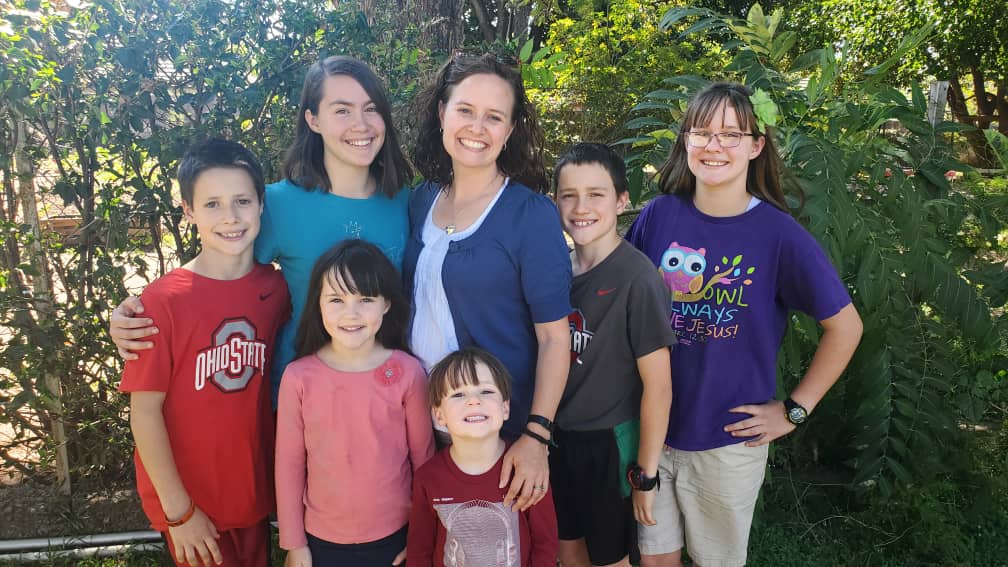
With the best intentions possible, I have been asked over and over about homeschooling. Whether people question me personally or homeschooling in general, I have learned what the broad questions are and how to defend against them. These objections to homeschooling used to bother and stump me, but now as a seasoned homeschooling momma (for 15+ years), I welcome them as I am more able to turn their criticisms and confusion into clarity.
Throughout this article you will find a common objection to homeschooling written in bold, large letters, followed by my response to them. I hope these bless you as you struggle with the same questions and are challenged with our realities from the homeschooling world.
But what if I don’t have a teaching degree?
Throughout the ages, Dads and Moms have been the primary teachers of their children in their homes. They have led the education of their children by practicing the skills needed around the home and in their businesses while also incorporating the reading of the Bible. But in our education system today, too many parents think they need a master’s degree to teach reading as well as the high-level classes of high school. In reality, parents do not need a fancy degree. They can find friends, family, tutors, co-ops, the internet, or online classes to help teach their child subjects that they feel underqualified to teach.
Homeschooling also gives parents the joy to learn new skills and ideas and to relearn many of the things that they once knew. While I do not remember all the details of my Algebra II class from when I went to school, I have been able to outsource the questions that arose in that class for my older daughters. They have done exceptionally well, with our oldest daughter easily excelling in college algebra and college statistics. I have made it a point to be just one or two steps ahead of my kids so I can teach them well. Having any degree or diploma (even just a high school one) as well as life experiences qualifies parents to teach their children.
But my kids are going to miss being in school sports, music, and other extracurricular activities!
That is not necessarily true. Many school districts (and private schools) across the US allow homeschool students to participate in their extracurricular activities. You will need to check with your school to get the paperwork to fill out and then audition or try out like the rest of the students, though. There are also many homeschool groups throughout the United States that have their own leagues for sports and choirs, bands, and production companies for music and theatre. Just because your students aren’t in the public school system, it does not mean that their opportunities for these activities are fewer. They actually might have the exact same opportunities or maybe even more choices.

But what if I don’t have a large budget to homeschool?
Homeschooling does not need to be expensive. There are many resources available to help with the costs of school. Two of the best resources are the library and the internet. Through the library we have been able to use books, learning programs, and field trip passes. We have even used their mobile services to download numerous books to our kindle app, and our librarians have graciously helped us order books from other districts to help in our learning.
We use the internet to look up videos on what we are learning, download books, research topics, download worksheets, and more! Most people already have the internet in their homes, but you can maximize how you use it when homeschooling. My grade school children have all loved to make lapbooks to correspond with a topic that they are learning about. This year they created lapbooks on Abraham Lincoln, Annie Oakley, and Rosa Parks. We read books and then found free printables online to create this simple but effective learning tool for them. By using books from the library, it would cost no money for this history or science program.
Many of our friends have graciously offered to let us borrow curriculum that they aren’t using. When you aren’t sure what is going to work for your family, it is much easier to borrow curriculum and then purchase it when you see how it fits your family. You can also research for used curriculum sales and co-ops which provide those services. Homeschooling does not have to be expensive, but it can be if you aren’t careful.
But what should we do about socialization?
When I think back to my time in school, what did students get in trouble for the most? Socialization. Teachers constantly asked for kids to be quiet and pay attention. Socialization was difficult in school, and teachers tried their best to stop us from doing it. But people today continue to ask me how we socialize our kids because we have all seen those strange homeschool kids coming from a mile away. But have you ever seen an awkward public-school kid? Have you seen a socially challenged private school kid? I have seen all three — homeschooled, public schooled, and private schooled!
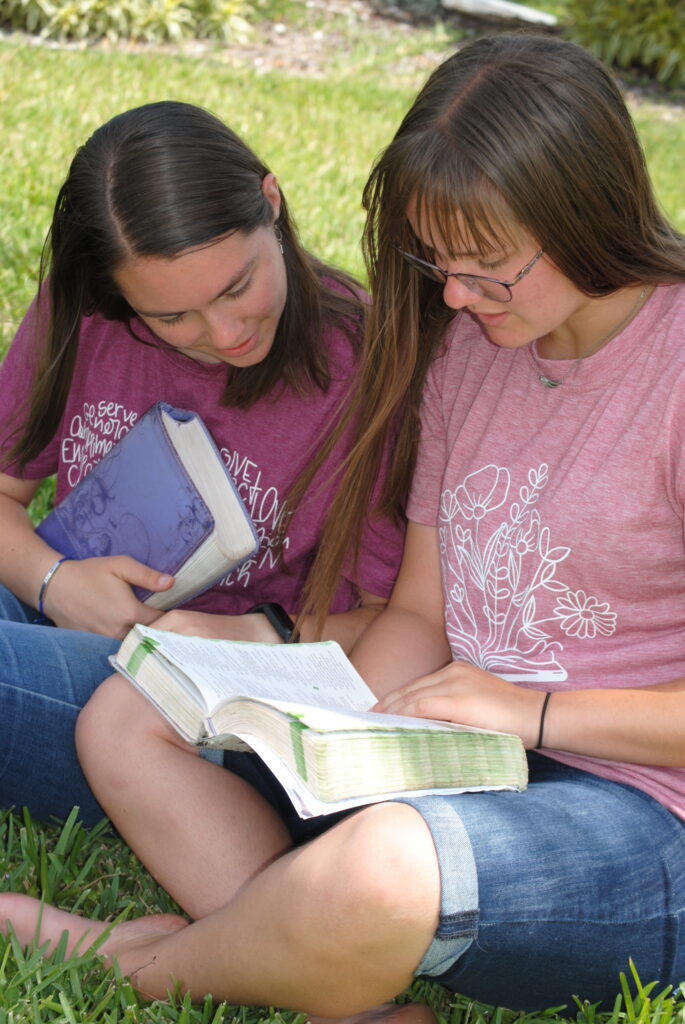
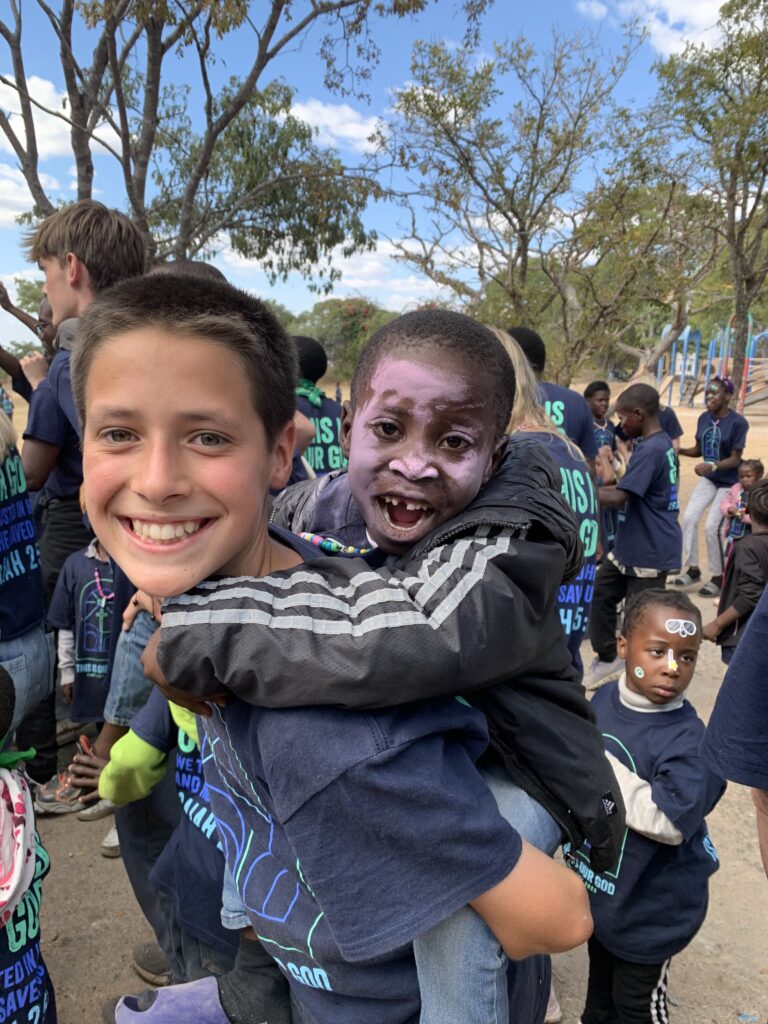
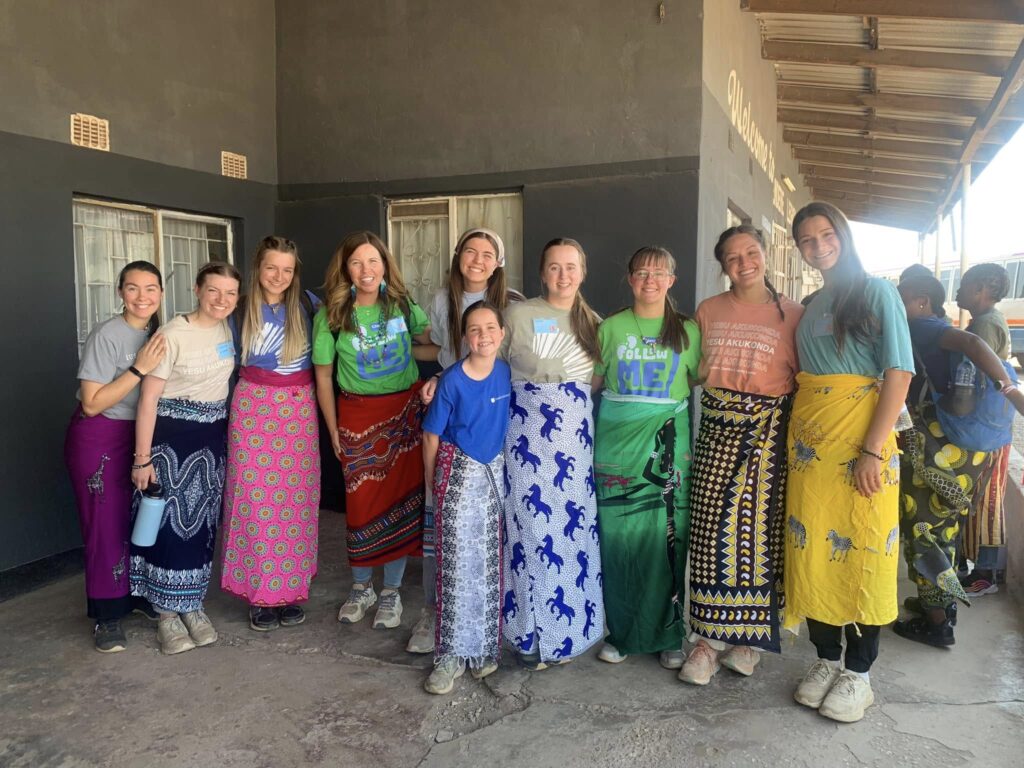
We encourage our kids to talk at home, especially at meals when we have conversations as a family. We also attend a co-op where we meet weekly with other homeschool families, fellowship with believers in our church on Sunday mornings, and serve together as a family here in Florida as well as in Lusaka, Zambia each summer for 2 months. Having people of all ages over to our home is a vital to create socialized kids. Some homeschoolers can be hermits, but most of the homeschool families that I know are involved in sports, music, church, and their community. They do not suffer from desocialization.
But my kids will not be able to get into a good college!
Colleges all around the United States actually want homeschool kids because they are confident, hard workers, able to read and write well, and are self-starters. Homeschool kids can be very confident because they have spent time with a wide range of people — from adults to infants. They know how to interact with people from different backgrounds, and they have experiences that are unique. Our founding fathers were homeschooled; I think they did alright.
Check out THIS ARTICLE with fascinating statistics about public school and homeschool students.
But what if I don’t have patience with my kids?
Maybe God wants to use homeschooling to teach you patience. Homeschooling has been one of the tools that God has used in my life to sanctify me. (Read more about that HERE.) I am challenged each day as I teach and disciple my children to live out my faith in front of them. There is no hiding it from them. They will see the fruit or lack of fruit in my life, and surely the Lord has been molding and shaping me more and more to look like Him. I didn’t start out as perfectly patient, and I am not there yet. God is still working on me.
I believe that some parents think they don’t have patience with their children because they don’t see the whole picture. When your children go to school, you interact with them in the early morning as you rush them off to school and then again in the afternoon when they are tired and hungry after school. You see, those times of the day are stressful, and you have a strict agenda — dinner, practices, homework, and showers.
But what if the day look different? What if they could sleep in and then start their day around the kitchen table at 9:00? How would attitudes be different if you could rearrange your day to be what worked best for your family, where you see each other during the best hours of the day and not the leftovers? I believe that parents have more patience than they think they have, which is seen when they stop the rigid schedules that a school forces on them and start homeschooling with a schedule that blesses their individual family.
But what if I don’t know what curriculum to use?
Start with what you know. If your kids are coming home from a school, see what the curriculum was and try to get that for your students at least in one subject or two. Talk to friends who homeschool, chat with teachers, research online, purchase samples, and attend a homeschool conference to look at the Book Fair. There are many curricula to choose from. Take your time and make good selections, but don’t be afraid to switch if it isn’t working for your family.
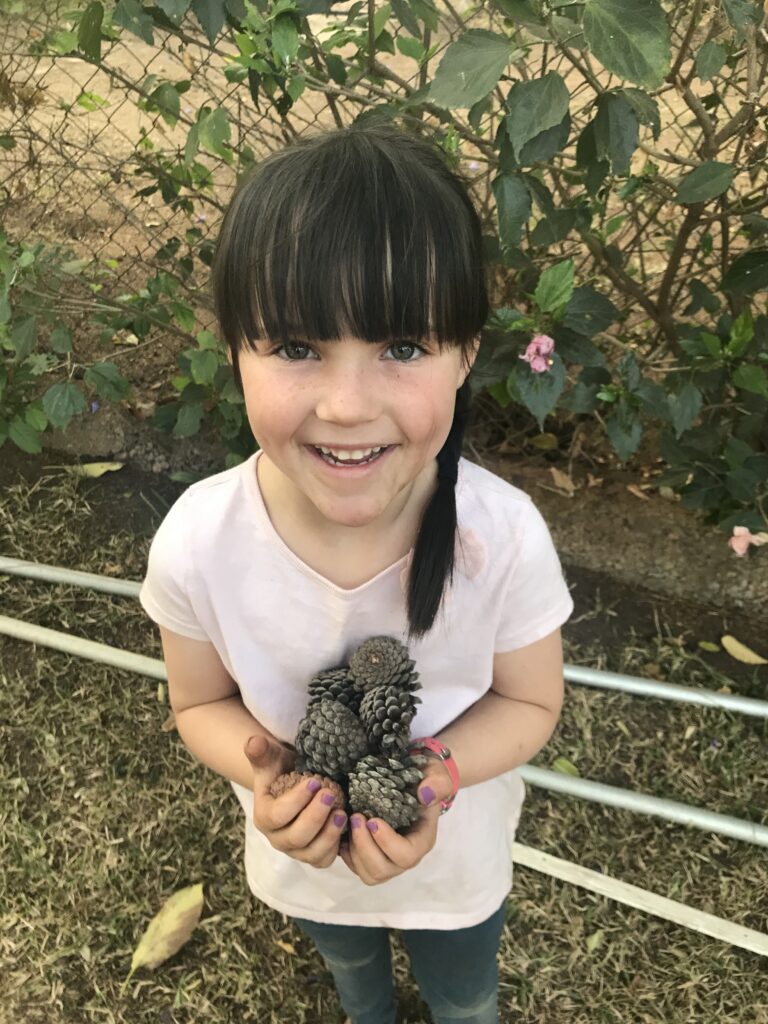
You can also talk to your kids to see what they want to learn. If your teen wants to go into nursing, maybe you can skip physics and take an Advanced Biology Class or have her shadow a nurse at the local hospital. If your second grader loves rocks, get books from the library about rocks, go exploring in the woods or lake to find rocks, and then borrow a tumbler from a friend to clean up your collections. Not only will your child be learning about rocks, you can also teach math skills as they count them and sort them and graph them, teach writing skills as they write a few sentences about their experiences, teach spelling as they learn new words, and teach Bible as you see what the Bible says about rocks, Creation, and more.
From my experience…
Over the years I have heard these objections to homeschooling as well as many more. But the more I have homeschooled, the more I have become convinced that this is the best thing for our family. Sure, there are plenty of objections, but likewise, I have objections to public school — the liberal curriculum they teach, the ideology they push, the agenda to keep God out of every facet of school, and more. I hope you have seen today that there are legitimate counterarguments to these common homeschool objections. You can choose homeschooling with confidence that you are not going to ruin your children, but that your children will be great contributors to our society as they share Jesus to the ends of the earth!
Comment below and tell me what objections you have for homeschooling or how you have defended homeschooling in your circles.
If you enjoyed this article, you may like these as well. Click on the pictures below!
Leave a Reply